Cybersecurity in Real Estate: How to Protect Yourself and Your Clients
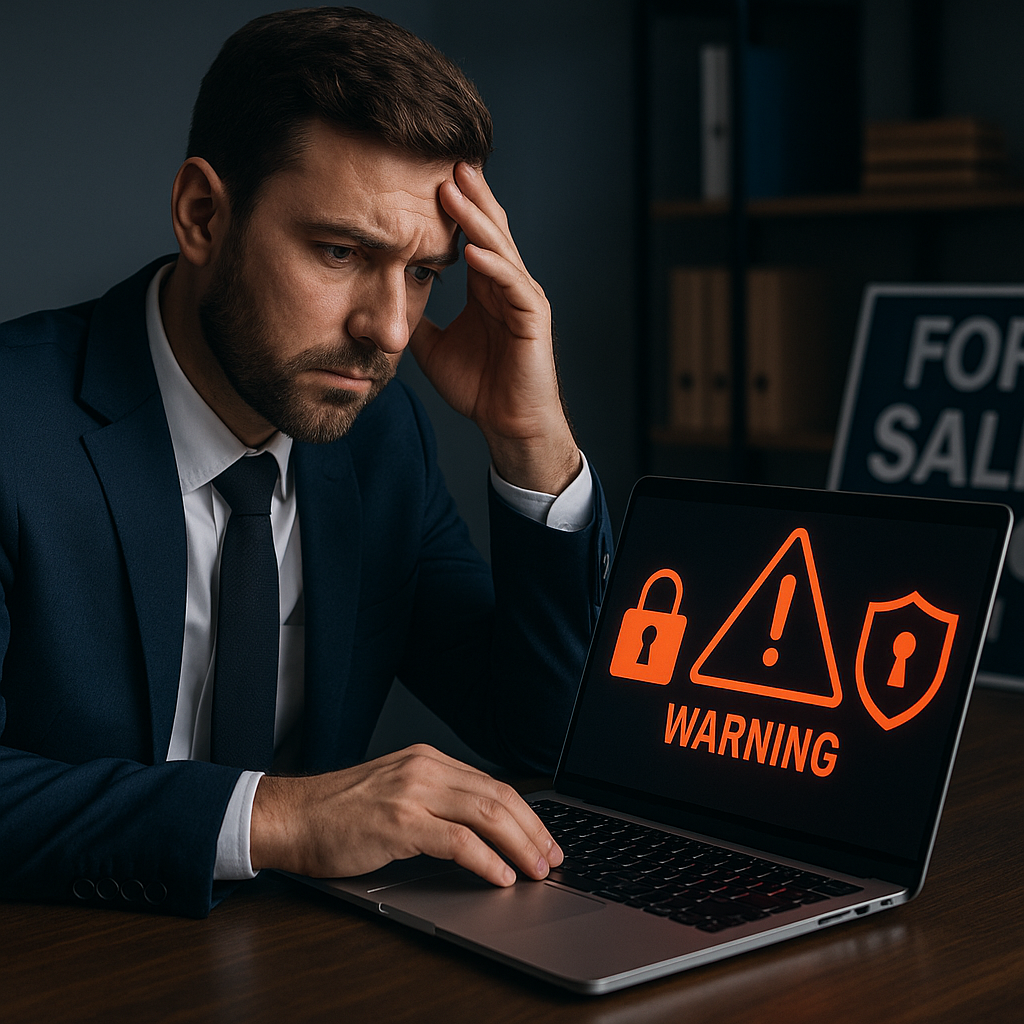
Do you know how vulnerable your real estate business really is to cybercrime?
Cybersecurity might not be on your daily checklist, but it should be. Real estate is now one of the top five most-targeted industries for cybercrime. You’re handling high-dollar transactions, sensitive personal data, and lots of communication between parties—and cybercriminals know it.
Here’s what you need to know to protect your business, your reputation, and your clients.
Why Real Estate Is a Prime Target
Hackers love real estate because it offers a perfect storm of opportunity:
Large sums of money change hands
Consumers often use free, unsecured email accounts
Many agents and brokerages don’t have cybersecurity training
Third-party vendors (title, escrow, lenders) introduce more vulnerabilities
And when something goes wrong? The consequences are massive:
Lost transactions
Data breaches and lawsuits
Damaged reputations and regulatory penalties
How to Protect Client Data (and Stay Compliant)
As a real estate professional, you’re legally responsible for safeguarding Personally Identifiable Information (PII)—things like names, financial account numbers, driver’s license info, and more.
To protect it:
Encrypt all files and emails that contain client data
Ban the use of thumb drives and external disks—they’re too easy to lose or hack
Destroy data securely when no longer needed (deleting is not enough—use tools like DBAN to fully wipe devices)
Every state has laws around data disposal and breach notifications, and they apply based on where your client lives, not just where you do business.
Avoiding Wire Fraud: A Must for Every Transaction
Wire fraud is one of the most dangerous and devastating scams in real estate today. Hackers monitor email accounts to time their attacks perfectly—often posing as you or your title partner to send fake wiring instructions to your client.
Your defense plan:
Educate clients early—get them to sign a wire fraud disclosure
Include wire fraud warnings in your email signature
Always confirm wiring instructions in person or via a verified phone call
Vet vendors for security protocols and cyber liability insurance
Passwords, Phishing, and Device Safety
Let’s be honest—most agents use the same password across multiple accounts. But that’s a major vulnerability.
Here’s what you should do:
Use a unique password for every login
Turn on multi-factor authentication for every app or platform
Avoid public Wi-Fi unless you're using a VPN
Keep antivirus software updated across all your devices
Phishing scams—those fake emails that look legit—are rampant in this industry. If something feels off, don’t click. Go directly to the site in your browser, and teach your clients to do the same.
The Safety Layer Most Agents Skip: Cyber Insurance
General liability or E&O insurance doesn’t cover cybercrime. But cyber liability insurance does—and it can be the difference between recovery and ruin. Policies can start as low as $150/year and often include:
Legal guidance
Data breach response teams
Public relations support
Identity protection for affected clients
Final Takeaway
Cybersecurity in real estate is no longer optional. It’s a professional standard—and part of your ethical duty to clients. A single hacked email or unsecured device can unravel months of work, erode trust, and land you in legal hot water.
Want to join a brokerage that actually teaches agents how to protect themselves and their clients?
Submit the “Request a Meeting” form to learn how we support our agents with the systems, tools, and training they need to stay safe and scale confidently.